

Chiropractic
Chiropractic has been based in the science that the nervous system controls the function of every cell, tissue, organ and system of our body.
The nervous system is made up of the brain and spinal cord.
While the brain is protected by 22 bones that make up the skull, the spinal cord is protected by 24 weight bearing, moving vertebrae. When these bones lose their normal motion or position, they can irritate/interfere with the function of the nervous system. Therefore interfering with the function of the tissues and organs controlled through the nervous system. We refer to these areas of interreference as subluxations.
Subluxation Based Care
With Subluxation Based Care, the chiropractors treats the mind and body as a whole, and collaborates with the patients' other healthcare and wellness practitioners, for a comprehensive treatment approach. For instance, instead of simply prescribing pain relievers to address a painful symptom, the chiropractor strives to diagnose and treat the root cause of the pain. A Subluxation Based Care understands that the mind, body and spirit are connected and that each component must be functioning well for the body to function well overall.
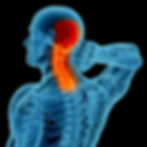
Neck Pain
The neck, or cervical spine, is made up of seven vertebrae (C1–C7) that support the weight of your head and allow for movement in all directions. It houses and protects the spinal cord as it travels from the brain to the body. Neck pain can be caused by poor posture, accidents, stress, or long hours on phones and computers.
Common Symptoms
-
Localized stiffness or soreness in the neck
-
Headaches, often starting at the base of the skull
-
Pain that radiates into the shoulders, arms, or hands
-
Numbness, tingling, or weakness in the arms/hands
-
Increased pain when looking down at phones or devices (“tech neck”)
-
Limited range of motion when turning the head
-
Chronic ear infections
Possible Autonomic Symptoms
-
Digestive changes such as bloating, acid reflux, or slowed motility
-
Heart palpitations or a sensation of chest tightness (not cardiac-related)
-
Shallow or restricted breathing patterns

Mid-Back Pain
The mid-back, also known as the thoracic spine, runs from the base of the neck to the bottom of the rib cage. It consists of 12 vertebrae (T1–T12) that connect to your ribs and protect vital organs like the heart and lungs. Because of this rib attachment, the thoracic spine is less mobile than other regions but can become stiff or irritated from poor posture, repetitive stress, or injury.
Common Symptoms
-
Aching, burning, or sharp pain between the shoulder blades
-
Stiffness or difficulty twisting and bending
-
Muscle tightness or spasms in the upper or mid-back
-
Pain that worsens with prolonged sitting, computer work, or poor posture
-
Radiating discomfort into the chest or ribs (non-cardiac related)
-
Difficulty taking deep breaths due to rib joint restriction
Possible Autonomic Symptoms
-
Localized stiffness or soreness in the neck
-
Headaches, often starting at the base of the skull
-
Pain that radiates into the shoulders, arms, or hands
-
Numbness, tingling, or weakness in the arms/hands
-
Increased pain when looking down at phones or devices (“tech neck”)
-
Limited range of motion when turning the head
-
Chronic ear infections

Low Back Pain
The lumbar spine is the lower portion of the back made up of five large vertebrae (L1–L5) designed to bear much of the body’s weight. This area provides stability and flexibility for lifting, bending, and walking. Because of the heavy load it carries, the lumbar spine is one of the most common sources of pain.
Common Symptoms
-
Dull, aching, or sharp pain in the lower back
-
Pain that worsens with prolonged standing, lifting, or bending
-
Radiating pain into the buttocks, hips, or legs (sciatica)
-
Numbness, tingling, or weakness in the legs or feet
-
Difficulty standing up straight or limited flexibility
-
Muscle spasms after activity or sudden movement
Possible Autonomic Symptoms
-
Digestive changes such as constipation, Diarrhea or irregular bowel movements
-
Bladder irritation or urinary frequency (non-infectious)
-
Lowered energy or feelings of fatigue
-
mensural irregularities